Advantages and Disadvantages of Mobile phones
Published: 3 Feb 2026
It is important to talk about mobile phones today. They offer many benefits, but they are also linked with problems that students and people face daily. More than half of students use mobile phones every day for study, communication, and entertainment. These devices have changed how students learn and interact.
This blog post explains the advantages and disadvantages of mobile phones for students, clearly showing both sides. It focuses on their impact on learning, social life, mental health, and privacy. You will also discover some surprising and interesting facts along the way.
What Are the Top 15 Advantages and Disadvantages of Mobile Phones?
Mobile phones play an important role in modern life. Students and adults use them for education, communication, and information. However, too much use of mobile phones can cause different problems. Below are the 15 advantages and disadvantages of mobile phones.
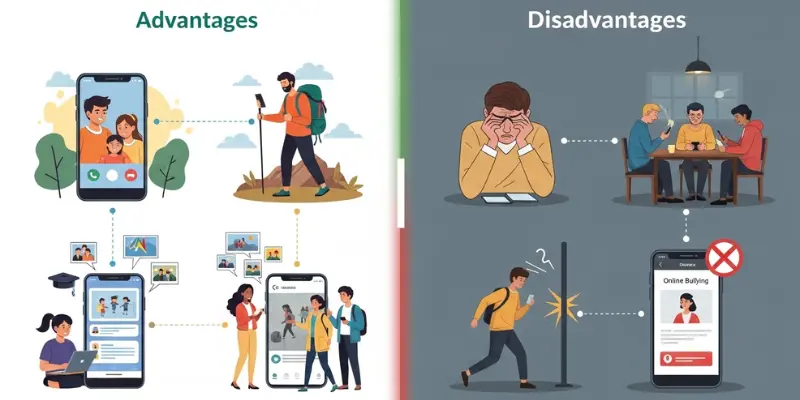
15 Advantages of Mobile Phone for Students
Mobile phones can be very helpful for students. They make learning easier, faster, and more interactive. Some key advantages of mobile phones for students are explained below.
- Quick Information Access
- Communication Source
- Way of Entertainment
- Multi-tasking Power
- Easy Access to Online Classes
- Improved Organization Skills
- Collaboration with Classmates
- Instant Problem-Solving
- Helpful in Emergencies
- Business and Remote Work
- GPS and Navigation
- Camera and Photos
- Health and Fitness Apps
- Online Banking and Payments
- Online Learning Support
1. Quick Information Access
It is easy to get information using mobile phones. They are helpful for school, work, and personal tasks. Then, people can find answers instantly without waiting.
- Search school topics online
- Check news updates
- Find recipes quickly
- Look up word meanings
- Read short articles
2. Communication Source
Mobile phones help people stay in touch easily. They are used for calls, messages, and video chats. Then, people feel connected with family and friends anytime.
- Call parents or friends
- Send text messages
- Video chat with relatives
- Use social media to talk
- Send voice messages
3. Way of Entertainment
Mobile phones provide fun and relaxation. They are used for music, games, and videos. Then, people enjoy free time without boredom.
- Play mobile games
- Watch videos on YouTube
- Listen to songs
- Stream movies online
- Use apps for jokes and memes
4. Multi-tasking Power
Mobile phones allow users to do many things at once. They save time for work, study, and play. Then, people can complete tasks faster and easier.
- Chat while watching videos
- Listen to music while studying
- Check emails and messages together
- Browse social media and news
- Use multiple apps at the same time
5. Easy Access to Online Classes
Mobile phones help students attend classes online. They are helpful when going to school is not possible. Then, learning continues without interruption.
- Attend Zoom or Google Meet classes
- Watch recorded lessons
- Download study notes
- Ask teachers questions online
- Participate in online quizzes
6. Improved Organization Skills
Mobile phones help users stay organized every day. They are used for reminders, notes, and schedules. Then, people can plan tasks and avoid forgetting things.
- Use calendar for school work
- Set reminders for homework
- Make to-do lists
- Schedule meetings or events
- Track personal goals
7. Collaboration with Classmates
Mobile phones make teamwork easier. They are used to share information and ideas quickly. Then, students can complete group work efficiently.
- Share notes via apps
- Group chat for projects
- Collaborate on Google Docs
- Plan study groups online
- Discuss homework questions
8. Instant Problem-Solving
Mobile phones help users find solutions fast. They are useful for school, work, and daily life. Then, people can fix problems without delay.
- Search math solutions online
- Check spelling or grammar
- Look for science explanations
- Find coding help
- Watch tutorial videos
9. Helpful in Emergencies
Mobile phones can save lives during emergencies. They are used to contact help quickly. Then, people can stay safe and alert family and friends.
- Call ambulance in accidents
- Contact police in emergencies
- Alert family quickly
- Use SOS apps
- Track location when lost
10. Business and Remote Work
Mobile phones allow work from anywhere. They are important for adults who work remotely. Then, people can manage business and jobs efficiently.
- Check emails on phone
- Join online meetings
- Share work documents
- Make online calls with clients
- Manage schedules remotely
11. GPS and Navigation
Mobile phones help people find directions. They are useful when traveling or exploring new places. Then, users reach destinations safely and on time.
- Use Google Maps
- Check traffic updates
- Find nearby restaurants
- Track running or cycling route
- Explore new places safely
12. Camera and Photos
Mobile phones have cameras for pictures and videos. They are used to save memories and record moments. Then, people can share and enjoy their photos anytime.
- Take family photos
- Record school events
- Capture nature scenes
- Share photos on social media
- Scan documents quickly
13. Health and Fitness Apps
Mobile phones support fitness and wellness. They are helpful for tracking exercise and health goals. Then, users can stay fit and healthy easily.
- Track steps with pedometer apps
- Use diet and meal planner apps
- Monitor heart rate
- Watch workout tutorials
- Track sleep patterns
14. Online Banking and Payments
Mobile phones allow easy money management. They are useful for payments, transfers, and banking. Then, users save time and effort in financial tasks.
- Pay school fees online
- Transfer money to family
- Buy groceries through apps
- Recharge mobile balance
- Pay bills instantly
15. Online Learning Support
Mobile phones help users learn new skills anytime. They are used for courses, tutorials, and eBooks. Then, people can improve knowledge and abilities easily.
- Learn new languages with apps
- Watch coding tutorials
- Practice drawing or music
- Join online courses
- Read eBooks and articles
15 Disadvantages of Mobile Phones for Students
I love my mobile phone, but sometimes I wonder if I use it too much. Phones are helpful, yet overuse can hurt our health and waste precious time. Here are 15 disadvantages of mobile phones.
- Distraction
- Phone addiction
- Online bullying
- Expensive phones
- Privacy risks
- Poor sleep
- Reduced physical activity
- Exposure to inappropriate content
- Poor academic performance
- Financial burden on families
- Health problems
- Harm to children
- E-waste pollution
- Study distraction
- Social isolation
1. Distraction
Mobile phones often distract users from important tasks. They are used for games, social media, or videos. Then, people lose focus on work or studies.
- Checking messages while studying
- Watching videos during class
- Playing games instead of homework
- Browsing social media at work
- Ignoring family conversations
2. Phone Addiction
Some people cannot stop using mobile phones. They are used all the time for chatting or browsing. Then, addiction affects health and daily life.
- Using phone for hours daily
- Constantly checking notifications
- Feeling upset without phone
- Playing mobile games excessively
- Ignoring real-life friends
3. Online Bullying
Mobile phones can be a source of bullying online. They are used to send mean messages or posts. Then, victims feel stressed and unsafe.
- Receiving hurtful texts
- Being teased on social media
- Sharing embarrassing photos online
- Cyber threats from strangers
- Negative comments on posts
4. Expensive Phones
Mobile phones can cost a lot of money. They are not affordable for everyone. Then, users or families may face financial strain.
- Buying latest smartphones
- Paying for apps or games
- Expensive repair costs
- Purchasing accessories
- High data plan charges
5. Privacy Risks
Mobile phones store personal data that can be misused. They are connected to apps and online accounts. Then, personal information may be at risk.
- Hacked social media accounts
- Online scams targeting users
- Data theft from apps
- Sharing location accidentally
- Exposing phone contacts
6. Poor Sleep
Mobile phone use late at night affects sleep. They are used for videos, chatting, or games. Then, users feel tired and less productive.
- Watching phone before bed
- Late-night messaging
- Gaming at midnight
- Checking social media at night
- Sleeping late due to phone
7. Reduced Physical Activity
Mobile phones keep people indoors. They are used for games, videos, and browsing. Then, users get less exercise and outdoor activity.
- Playing mobile games instead of sports
- Watching videos at home
- Sitting for hours online
- Avoiding outdoor play
- Using phone during breaks
8.Exposure to Inappropriate Content
Mobile phones give access to unsafe content. They are connected to the internet and apps. Then, children or teens may see harmful material.
- Watching violent videos
- Viewing adult content
- Accessing unsafe websites
- Reading inappropriate posts
- Playing harmful games
9. Poor Academic Performance
Mobile phone use can reduce study focus. They are used for chatting or games instead of homework. Then, students may get lower grades.
- Messaging during class
- Ignoring assignments for games
- Watching videos instead of studying
- Delaying homework
- Poor time management
10. Financial Burden on Families
Buying and maintaining mobile phones costs money. They are not cheap for everyone. Then, families may spend more than needed.
- Paying for new phones
- Monthly data plans
- Apps or games purchase
- Repairing damaged phones
- Accessories like chargers or cases
11. Health Problems
Mobile phones can affect health. They are used for long hours daily. Then, users may face eye strain, headaches, or hand pain.
- Eye strain from screen
- Headaches from long use
- Neck or hand pain
- Poor posture while using phone
- Reduced physical activity
12. Harm to Children
Children are more affected by excessive mobile phone use. They are curious and spend hours on apps and games. Then, development and learning may slow down.
- Spending hours on games
- Watching videos all day
- Less outdoor activity
- Learning delay due to distraction
- Reduced social interaction
13. E-waste Pollution
Old or damaged mobile phones create electronic waste. They are not always disposed properly. Then, pollution affects the environment.
- Throwing phones in trash
- Discarded batteries harming soil
- Toxic chemicals from phones
- Pollution in rivers from e-waste
- Recycling issues
14. Study Distraction
Mobile phones distract students during learning. They are used for games or social apps instead of studies. Then, attention and focus are reduced.
- Playing games in class
- Checking messages while reading
- Watching videos during study
- Ignoring homework
- Browsing social media during lessons
15. Social Isolation
Mobile phones reduce face to face interaction. They are used for virtual chats more than real conversations. Then, relationships with family and friends weaken.
- Ignoring family while on phone
- Rarely meeting friends in person
- Less participation in group activities
- Talking to online friends only
- Skipping social events
Conclusion
It is clear that mobile phones are an important part of modern life. They are helpful for communication, learning, work, and entertainment. At the same time, there are disadvantages like distraction, addiction, and health issues. Then, balanced and responsible use of mobile phones is very important. People can enjoy the advantages while avoiding the negative effects by using them wisely.
FAQs about Advantages and Disadvantages of Mobile Phones
Many people ask questions about the pros and cons of mobile phones. Here are the complete details explaining the benefits and drawbacks of mobile phones for students.
Mobile phones help in communication, learning, work, and entertainment. They provide quick information, safety in emergencies, and support for daily tasks.
Mobile phones help in communication, learning, work, and entertainment. They make life easier in many ways.
Main 10 advantages:
- Quick Information Access
- Communication Source
- Way of Entertainment
- Multi-tasking Power
- Easy Access to Online Classes
- Improved Organization Skills
- Collaboration with Classmates
- Instant Problem-Solving
- Helpful in Emergencies
- Business and Remote Work
Mobile phones can also cause problems if not used carefully. They affect health, studies, and social life.
Main 10 disadvantages:
- Distraction
- Phone Addiction
- Online Bullying
- Expensive Phones
- Privacy Risks
- Poor Sleep
- Reduced Physical Activity
- Exposure to Inappropriate Content
- Poor Academic Performance
- Financial Burden on Families
Mobile phones are helpful for many purposes. They are used in daily life for study, work, and fun.
5 main uses:
- Communication with family and friends
- Online learning and study support
- Entertainment like games, music, and videos
- Navigation and GPS tracking
- Banking and online payments
Smartphones are useful but may also cause problems. They affect health, focus, and social life.
Disadvantages include:
- Addiction to apps and social media
- Distraction from work or studies
- Poor sleep due to late-night use
- Privacy and security risks
- Exposure to inappropriate content
Smartphones provide many benefits. They help in work, learning, and daily activities.
Advantages include:
- Quick access to information
- Online learning and study apps
- Video calls and messaging
- Entertainment with games and videos
- Business and remote work support
Phones help people in work, study, and personal life. They make communication and tasks easier.
10 advantages:
- Quick Information Access
- Communication Source
- Way of Entertainment
- Multi-tasking Power
- Easy Access to Online Classes
- Improved Organization Skills
- Collaboration with Classmates
- Instant Problem-Solving
- Helpful in Emergencies
- GPS and Navigation
Phones can also have negative effects if overused. They affect health, social life, and finances.
10 disadvantages:
- Distraction
- Phone Addiction
- Online Bullying
- Expensive Phones
- Privacy Risks
- Poor Sleep
- Reduced Physical Activity
- Exposure to Inappropriate Content
- Poor Academic Performance
- Financial Burden on Families