What is Headphones?
Published: 6 Feb 2026
Soft sound flows directly to ears during homework time. The room stays calm and silent. This small moment connects with the idea behind What is Headphones and explains why learners choose this device for daily use.
This article explains what are headphones, including their history, parts, types, features, applications, advantages, and disadvantages for students.
What is Headphones?
Headphones are a sound device used for personal listening. This device connects with phones, computers, tablets, and music players. Sound moves straight to the ears, so the room stays quiet. Students and learners use headphones for study, music, and online classes. Headphones help people listen clearly without disturbing anyone nearby. This sound tool supports focus and comfort during daily tasks.
History of Headphones
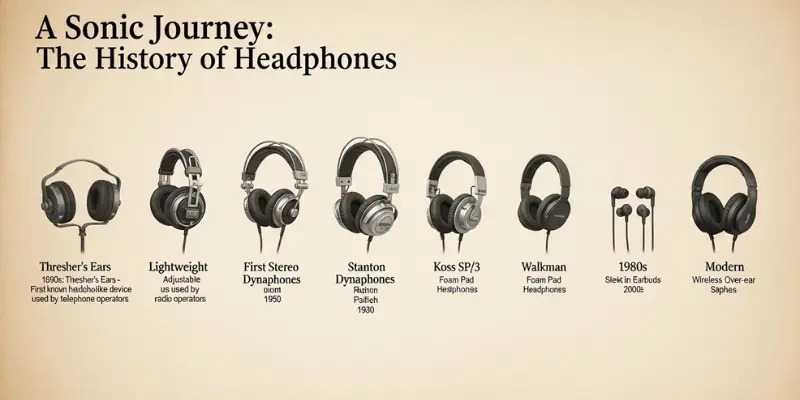
Headphones started as a simple sound tool. Early designs focused on personal listening. Over time, this device improved in comfort and sound quality. Students and listeners now use modern headphones in daily life.
Early Sound Listening Devices
Early sound tools supported one ear listening. Large and heavy designs appeared first. These devices helped people hear sound from radios and audio systems. Comfort stayed limited in early models.
Development of Two-Ear Headphones
Designers introduced two-ear listening for better sound balance. This change improved listening comfort. Sound reached both ears evenly. Music listening became more enjoyable.
Headphones for Music and Media
Music growth increased headphone demand. Lighter designs entered the market. Soft padding improved comfort. Headphones gained popularity among students and music lovers.
Rise of Portable Headphones
Portable music players increased headphone use. Smaller sizes appeared for easy carrying. This stage supported outdoor and travel listening. Personal sound became common.
Wireless and Modern Headphones
Wireless technology changed headphone use. Cables disappeared from many designs. Bluetooth support allowed free movement. Noise control features improved listening quality.
How Does Headphones Work
Headphones send sound directly to the ears from a device. This process supports clear listening in a quiet way. Small parts inside headphones change signals into sound. Students use this system for study, music, and calls without noise in the room.
- Audio signal comes from phone or computer
- Signal reaches headphone drivers
- Drivers change signal into sound
- Sound moves through ear cups or earbuds
- Ears receive clear and focused sound
Parts of Headphones
Headphones include several small parts that work together for sound listening. Each part has a clear role inside the device. Below, the complete parts of headphones for students.
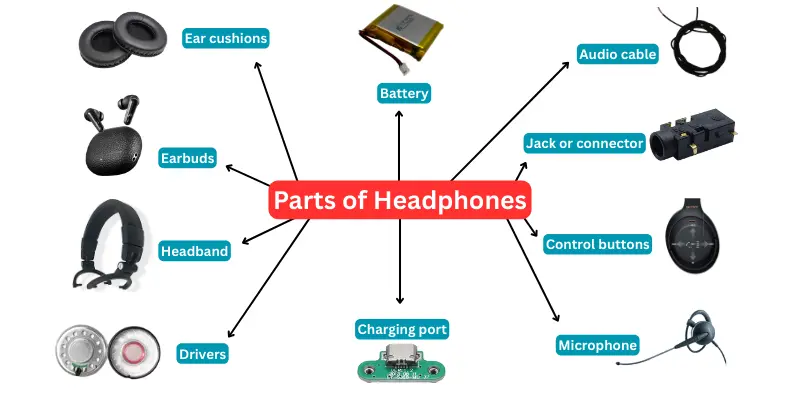
- Ear cushions
- Earbuds
- Headband
- Drivers
- Audio cable
- Jack or connector
- Control buttons
- Microphone
- Battery
- Charging port
Types of Headphones
Headphones come in different types for different listening needs. Each type supports a specific style of use. Below are the complete 10 types of headphones for learning students.
- Over-ear headphones
- On-ear headphones
- In-ear headphones
- Wired headphones
- Wireless headphones
- Bluetooth headphones
- Noise cancelling headphones
- Gaming headphones
- Sports headphones
- Studio headphones
Applications of Headphones
Headphones are useful for many activities in daily life. They help people listen clearly in different situations. This section focuses only on the 10 uses of headphones. Here are 10 applications of headphones explained for students.
- Listening to music
- Attending online classes
- Playing games
- Watching movies or videos
- Making phone or video calls
- Recording audio or voice
- Fitness and sports activities
- Language learning and practice
- Meditation and relaxation
- Podcast or audiobook listening
Features of Headphones
Headphones have many important features that make them useful and easy to use. They improve sound quality, comfort, and overall listening experience. Here are 10 features of headphones included.
- Clear and crisp sound quality
- Comfortable ear padding
- Noise reduction / Noise-cancelling support
- Wireless connectivity (Bluetooth)
- Long battery life for wireless use
- Built-in microphone for calls
- Easy volume and playback controls
- Lightweight and portable design
- Durable and strong build quality
- Quick and simple device pairing
Characteristics of Headphones
Headphones have different characteristics that make them special and useful. They show how headphones work, feel, and deliver sound. Here are 10 characteristics of headphones included.
- Produces clear and balanced sound
- Provides comfortable fit for long hours
- Reduces outside noise naturally
- Offers stable wireless or wired connection
- Delivers consistent battery performance
- Supports easy voice communication
- Responds quickly to volume and playback controls
- Feels light and easy to wear
- Remains durable during daily use
- Gives a reliable and smooth listening experience
Advantages and Disadvantages of Headphones
Headphones have many advantages and disadvantages that affect their use. They show why people like using them and what problems can occur. Here is a complete explanation of the pros and cons of headphones in detail for students.
| 10 Advantages of Headphones |
|---|
|
| 10 Disadvantages of Headphones |
|---|
|
Conclusion
Headphones are a useful device for listening to music, study materials, and calls. They provide clear sound directly to the ears and help people focus without disturbing others. Headphones come in different types, shapes, and sizes to fit all needs. They have many features, advantages, and some disadvantages, but overall they make listening easy and comfortable for everyone.
FAQs About What is Headphones
Many people ask questions about what is headphones, their types, parts, benefits of headphones and drawbacks of headphones. Here is a complete explanation of headphones in detail for students
A headphone is a device that helps people listen to music, calls, or other sounds directly in their ears. It connects with phones, computers, tablets, or music players to give clear sound. Headphones are used for study, work, gaming, or entertainment.
There are many types of headphones designed for different uses. The main 10 types of headphones are explained above in the blog in detail.
Headphones have several important parts. These parts work together to provide sound, comfort, and easy control.
Here are five parts of headphones:
- Ear cups / Earbuds
- Headband
- Drivers
- Cable / Battery
- Microphone
Here are five types of headphones:
- Over-Ear Headphones
- On-Ear Headphones
- In-Ear Headphones (Earbuds)
- Wired Headphones
- Wireless / Bluetooth Headphones
Here are five features of headphones:
- Clear and crisp sound quality
- Comfortable ear padding
- Noise reduction or noise-cancelling
- Wireless connectivity (Bluetooth)
- Built-in microphone for calls
Here five uses of headphones:
- Listening to music
- Online classes or study sessions
- Gaming
- Watching movies or videos
- Making phone or video calls