What Is Embedded Computer – Small Brain & Big Impact
Published: 25 Jun 2025
When we think of computers, we imagine laptops and desktops with screens and keyboards. But what is embedded computers? Unlike regular computers that help us browse the internet or play games, embedded computers are hidden inside machines like washing machines, microwaves, or even traffic lights. They don’t look like normal computers, but they work silently to do one job really well. This makes them special and different from the big computers we see every day.
What are Embedded Computers?
Most people think of computers as big machines like laptops or desktops. But what is embedded computers? These are tiny computers hidden inside other devices. They don’t look like regular computers, but they help machines work better and smarter. You can’t see them, but they are always doing their job in the background.
History of Embedded Computer
Have you ever wondered where embedded computers came from? These tiny, smart machines have a long and interesting story. From helping rockets fly to making our daily gadgets smart, embedded computers have quietly changed the world around us.
The history of embedded computers started in the 1960s. One of the first embedded systems was used by NASA in the Apollo space program. This small computer, called the Apollo Guidance Computer, helped astronauts land safely on the Moon without getting lost.. It was small, powerful for its time, and made to do one specific job to guide the spaceship.
In the 1970s, companies began using small computers inside household machines. These early embedded computers were found in simple devices like calculators and microwaves. People liked how these machines worked faster and smarter with the help of tiny computers inside them.
By the 1980s and 1990s, technology became even better. Microchips got smaller and cheaper. This allowed embedded computers to be used in more places, like washing machines, remote controls, and video game consoles. They made everyday items smarter and easier to use.
Today, embedded computers are almost everywhere. They are found in smartphones, cars, TVs, fridges, watches, and even toys. They are faster, more powerful, and use very little energy. We use them every day, even if we don’t see them.
It’s amazing to think that the phone you use today is more powerful than the computer that once helped land humans on the Moon. Embedded computers have come a long way and they continue to grow even smarter.
Most Useful Links
- https://ecscience.net/what-is-embedded-computer/
- https://ecscience.net/define-server-computer/
- https://ecscience.net/types-of-computers/
- https://ecscience.net/parts-of-computer/
Types of Embedded Computer
There are many types of embedded computers, and each one is made for a special job. Some are very simple, and some are a little smarter. But all of them help machines work better. Let’s take a look at the main types in a way that’s easy to understand. Here are 4 types of embedded computer are included:
- Stand Alone Embedded Computers
- Real Time Embedded Computers
- Networked Embedded Computers
- Mobile Embedded Computers
1. Independent Embedded Computers
Stand alone embedded computers work all by themselves. They do not need help from other systems or the internet. These tiny computers do one simple job again and again without stopping.
2. Fast Acting Embedded Computers
Real time embedded computers are made to act fast and give results without delay. They work where timing is super important, like saving lives or avoiding accidents. These computers never wait, they must do the job right away.
3. Networked Embedded Computers
Networked embedded computers are small computers that connect with other devices using Wi-Fi or Bluetooth. They help machines share information and work together. These computers make smart homes and smart gadgets possible.
4. Mobile Embedded Computers
Mobile embedded computers are tiny computers found in things we carry every day. They help devices like phones and smartwatches do smart tasks easily. These computers are small, fast, and work without wires.
Examples of Embedded Computer
Embedded computers are all around us, even if we do not see them. They are hidden inside many everyday things we use at home, in school, or outside. These tiny computers help those machines do their job properly. Let’s look at some simple and real life examples of embedded computers that you may already know.

- Home Appliances
- Personal Gadgets
- Vehicles and Transport
- School and Office Tool
- Transportation
- Health and Fitness
- Offices and Businesses
Explain this Uses of Embedded Computer
1. Home Appliances
- Microwave oven: sets time and heat
- Washing machine: controls water and spin
- Refrigerator: keeps temperature steady
- TV remote: sends signals to the TV
2. Personal Gadgets
- Smartwatch: counts steps and shows time
- Digital camera: adjusts light and focus
- Fitness tracker: checks heart rate and sleep
3. Vehicles and Transport
- Car airbag system: works in case of an accident
- Automatic braking system: helps stop safely
- Traffic lights: change signals on time
4. School and Office Tools
- Printer: sends and prints pages
- Projector: shows visuals from a computer
- Calculator: solves numbers quickly
5. Transportation
- Help cars use GPS for directions
- Run safety systems like airbags and auto brakes
- Change traffic signals at the right time
- Manage speed control in trains
6. Health and Fitness
- Power digital thermometers
- Track health in smartwatches
- Control machines in hospitals (like heart monitors)
- Help fitness bands count steps
7. Offices and Businesses
- Manage barcode scanners
- Help security cameras record
- Power ATMs and vending machines
- Control printers and photocopiers
Even a toy robot or a video game console has an embedded computer inside it to control movement and actions.
Key Features of Embedded Computers
Embedded computers may be small, but they are super smart! They are designed to do one job and do it well. Unlike regular computers that can do many things at once, these little computers focus on one task and make sure it works perfectly. Let’s look at the main key features of embedded computers in simple words.
- Do only one specific task
- Very small in size
- Use less power
- Hidden inside other machines
- Work fast and reliably
- No need for keyboard or mouse
- Stay active for a long time
Parts of Embedded Computers
Every embedded computer may be small, but it still has important parts inside it that help it work properly. These parts work together quietly to run a machine like a microwave or smartwatch. Let’s take a look at the parts of embedded computers and what each one does.

- Microprocessor or Microcontroller
- Memory (RAM and ROM)
- Input Devices
- Output Devices
- Power Supply
- Communication Ports
1. Microprocessor or Microcontroller
This is the brain of the embedded computer. It thinks and makes decisions.
- Tells the device what to do
- Processes simple tasks quickly
- Comes in a tiny chip form
2. Memory (RAM and ROM)
This part helps the computer remember things.
- RAM: Short-term memory (used while the device is working)
- ROM: Long-term memory (stores the main instructions)
3. Input Devices
These are tools that help the embedded computer get information.
- Buttons
- Sensors (like temperature or motion sensors)
- Touchscreens (in smart devices)
4. Output Devices
These help the device show or give results.
- Display screens
- Buzzers or lights
- Motors (in toys or robots)
5. Power Supply
This part gives the energy the embedded system needs to work.
- Can be a battery or direct electricity
- Helps the system stay active all the time
6. Communication Ports
These let the system connect with other devices.
- USB ports
- Wireless connections like Bluetooth or Wi-Fi (in smart devices)
Even though embedded computers are small, they still need all these basic parts just like a full computer to work smartly inside machines.
Most Useful Links
- https://ecscience.net/what-is-a-computer/
- https://ecscience.net/input-and-output-devices/
- https://ecscience.net/types-computer-memory/
- https://ecscience.net/what-is-cpu-in-computer/
How Embedded Computers Work
Embedded computers work like little helpers inside machines. They follow simple instructions and do the same task again and again without making mistakes. Whether it’s turning on the light in your fridge or changing the traffic signal they work quietly but smartly. Let’s see how embedded computers work step by step.

- Getting Input
- Processing the Information
- Following the Instructions (Program Code)
- Giving Output
- Repeating When Needed
1. Getting Input
The embedded computer receives signals from sensors or buttons.
- Example: A microwave gets input when you press the “Start” button.
2. Processing the Information
The microcontroller or microprocessor reads the input and decides what to do.
- Example: It decides how long and how hot to heat your food.
3. Following the Instructions (Program Code)
The embedded computer follows fixed code written in its memory.
- Example: “If Start is pressed, heat for 2 minutes.”
4. Giving Output
It sends signals to other parts to perform actions.
- Example: Turns on the microwave motor and starts cooking.
5. Repeating When Needed
Embedded systems are designed to do this job over and over without stopping.
- Example: Every time you press “Start,” it does the same steps.
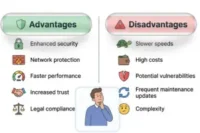
Advantages and Disadvantages of Embedded Computers
Embedded computers are tiny helpers inside machines. They do their job quietly and quickly. Like everything else, they have some good sides and some not-so-good sides. Let’s look at both the advantages and disadvantages of embedded computers in a simple way.
| Advantages of Embedded Computers |
|---|
|
| ❌ Disadvantages of Embedded Computers |
|---|
|
Embedded computers are great for small jobs but not for complex work. That’s why they are used in machines, not for things like gaming or writing.
Common FAQs of Embedded Computers
Sometimes we hear the word “embedded computer” and get a little confused. Don’t worry Below are some simple and common questions people ask about embedded computers and their easy answers.
An embedded computer is a small computer that lives inside a machine to do one main job.
They are in many things like washing machines, smart TVs, microwaves, cars, and even toys!
No. A normal computer can do many jobs. An embedded one does just one or a few simple tasks.
Mostly no. They work in the background without needing a screen or keyboard.
Not really. They are cheaper than big computers because they do small, simple jobs.
No. They are not made for games. They are made to control machines or tools.
No. They use very little power, which makes them great for small devices.
Usually, no. If one breaks, the whole part is replaced instead of repaired.
Conclusion
Embedded computers are like tiny brains hidden inside machines. They do one job again and again quickly, quietly, and without needing much help. From your TV remote to your washing machine, they are everywhere. These small computers make life easier and smarter.
They may not look like normal computers, but they are just as important. And the best part? We use them every day without even knowing it.
Most Useful Links
- https://ecscience.net/personal-computer/
- https://ecscience.net/define-supercomputer/
- https://ecscience.net/mainframe-computers/
- https://ecscience.net/define-minicomputer/
- https://ecscience.net/input-and-output-devices/